
Südtiroler Gemeindenverband Genossenschaft replaced a legacy Delphi monolith with a modern cloud-native eGovernment platform built with Java, Kubernetes, and Vaadin. With a small in-house team, they delivered 16 production modules supporting municipalities across South Tyrol while preparing the platform for long-term public-sector reuse.
Supporting the digital infrastructure of 116 municipalities
Südtiroler Gemeindenverband Genossenschaft is the IT services consortium for South Tyrol’s local government and one of the few in-house organizations in Italy responsible for centralizing software development for an entire regional public administration.
Its platform, Goffice 2.0, supports:
- 116 municipalities
- 7 district communities
- roughly 5,000 daily users
The project is delivered by a small in-house team consisting of:
- 4 Full stack Java developers: Simon Nogler, Walter Zöggeler, Domingo Sacristan, and Roberto Cappuccio
- Business analyst: Sara Tumiati
- Architect: Renzo Poli
- Scrum Master: Edoardo Scepi
- EU-funding project manager: Tarcisio Coianiz
Together, they build and maintain software used daily across a large public administration ecosystem.
Replacing a legacy Delphi monolith without disrupting public services
Every working day, civil servants across South Tyrol rely on Goffice to manage taxes, permits, invoicing, digital signatures, and other core government processes.
But the Delphi-based system behind the platform was becoming increasingly difficult to maintain and modernize. The old platform had become harder to evolve at a time when municipalities were under growing pressure to digitize public services and integrate with national eGovernment systems.
The application was built as a traditional client-server monolith with:
- no responsive web interface
- limited interoperability
- growing maintenance complexity
- difficult integration with modern public-sector infrastructure
Replacing it was unavoidable. The challenge was how to modernize critical government software without disrupting public services, while working within fixed public-sector budgets and a small in-house development team.
Instead of outsourcing the project, Südtiroler Gemeindenverband Genossenschaft rebuilt the platform themselves.
In five years, the team delivered 16 production modules on a modern cloud-native architecture using Java, Kubernetes, and Vaadin. The result is Goffice 2.0, an open-source eGovernment platform designed to support South Tyrol’s municipalities through at least 2030.
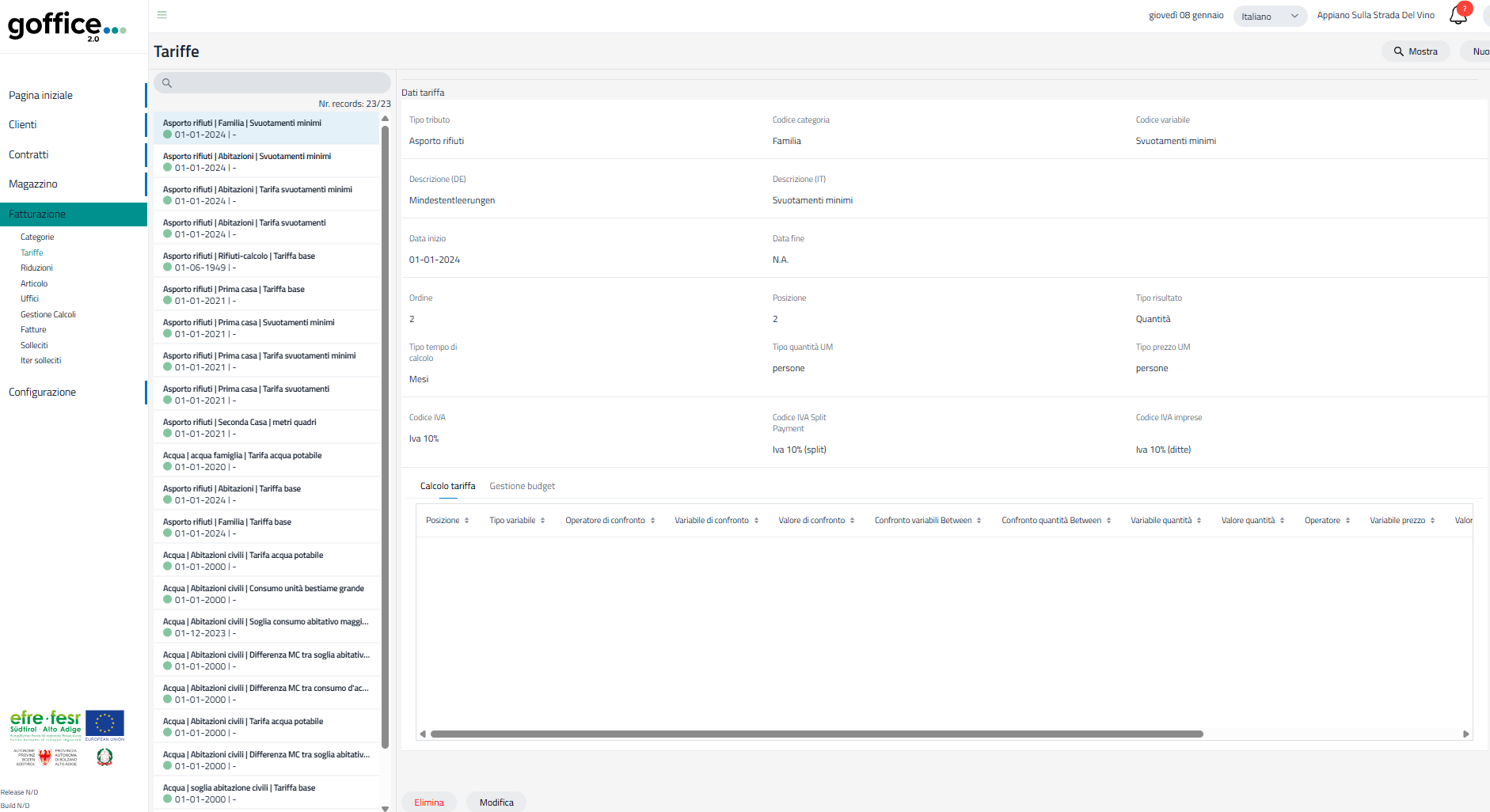
The Goffice 2.0 platform helps municipalities manage taxes, billing, and public services through a modern web interface built with Vaadin.
Building a modern eGovernment platform with a seven-person team
The modernization effort required more than rewriting software. The organization restructured from vertical silos into horizontal Scrum teams and hired a dedicated architect to guide the transition to full stack and cloud-native development.
Developers also received internal training to accelerate the move into the modern Java ecosystem without relying heavily on external consulting.
Migration happened incrementally. The team started with smaller, lower-risk modules first, building reusable patterns and confidence before tackling more complex systems.
One of the most important technical decisions was investing early in a shared framework layer for reusable forms, grids, views, authentication, and common UI components. That internal investment helped the team maintain consistency across modules while staying productive with a relatively small development organization.
Today, the platform includes 16 production modules running in a cloud-native environment across 116 public administrations.
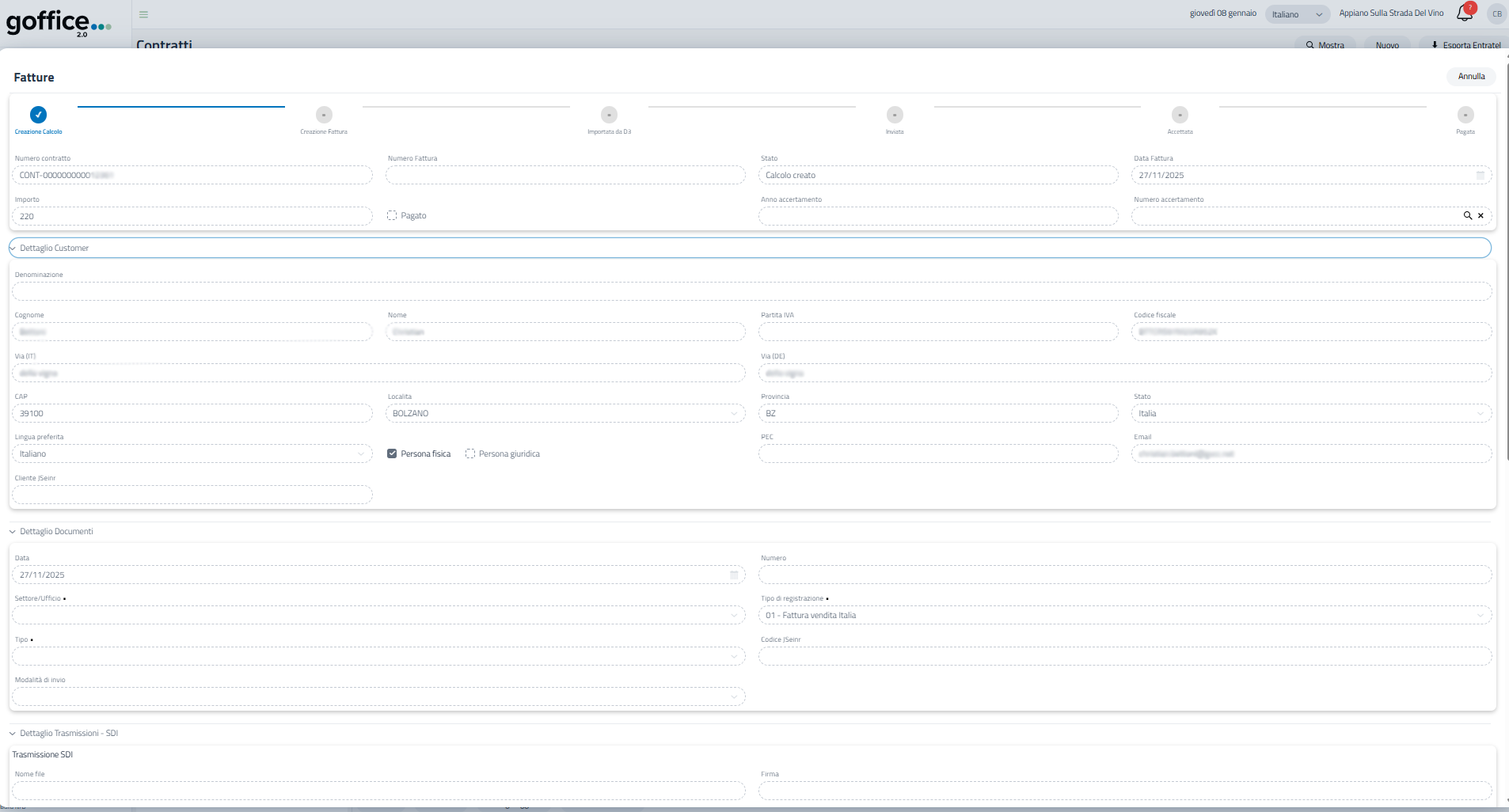
Screenshot of the Goffice 2.0 invoicing module showing a multi-step invoice creation workflow with customer information, billing details, document metadata, and electronic transmission fields.
Why the team chose full stack Java and Vaadin
The team evaluated Angular during the planning phase but quickly realized the frontend complexity would be difficult to manage for such a small group working across a large and constantly evolving public-sector domain.
There was also a practical human challenge. Most developers had spent more than a decade working in Delphi, a component-based and event-driven development environment. At the same time, the organization was already transitioning to Kubernetes, microservices, cloud-native architecture, and modern DevOps workflows.
The team needed a UI framework that would not force a complete cognitive reset on top of an already demanding modernization effort.
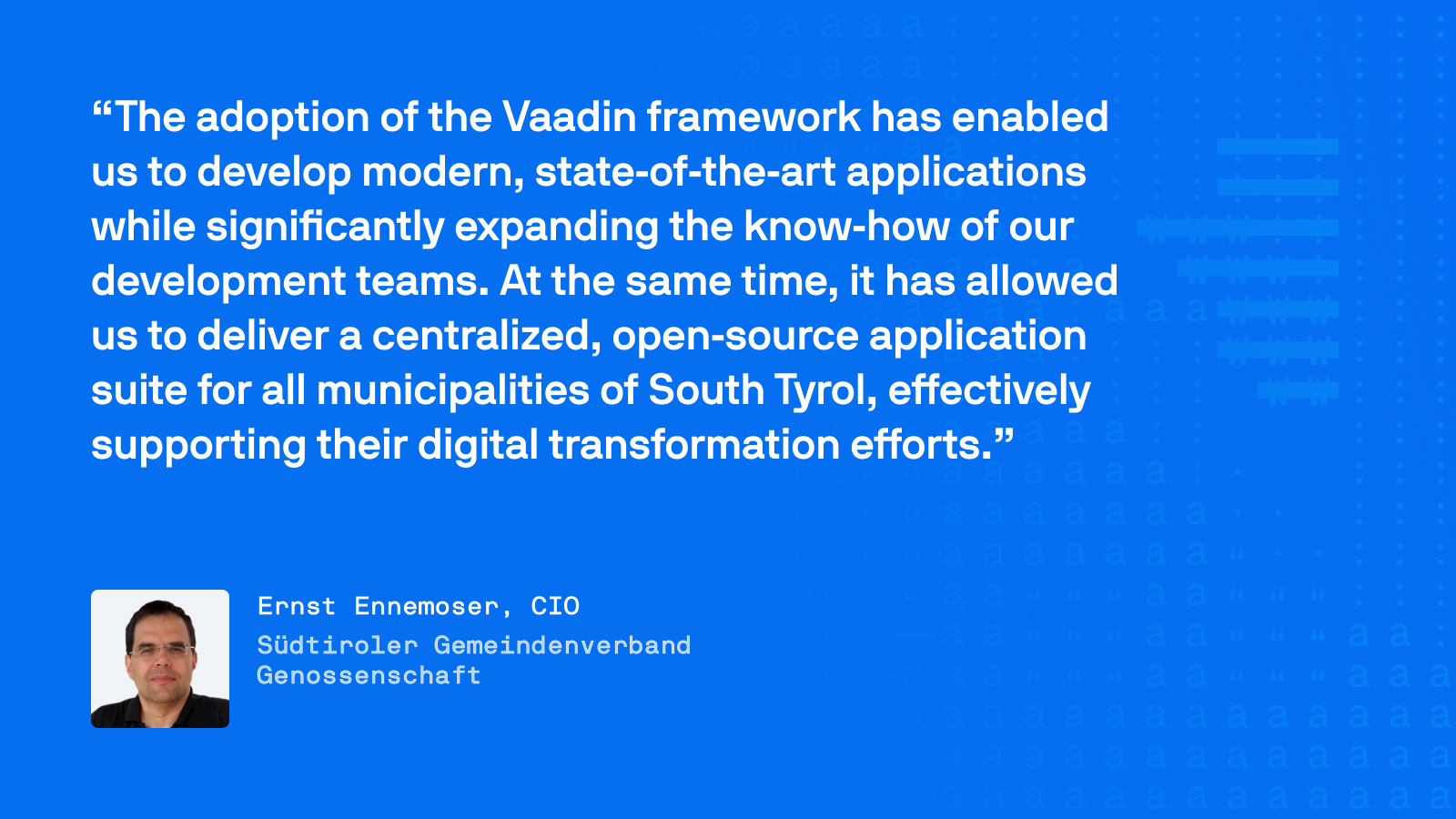
Vaadin provided a development model that felt familiar enough to Delphi to keep developers productive while modernizing the rest of the stack. A nearby company that had already used Vaadin to modernize a comparable client-server application also helped validate the decision before the team committed.
At the same time, the project had strict European Regional Development Fund (ERDF) requirements. The platform needed to be:
- cloud-native
- modular
- open source
- interoperable with national systems
- sustainable for long-term in-house maintenance
It also required integrations with key Italian public-sector infrastructure, including SPID, PagoPA, FatturaPA, and national digital identity services.
Modernizing one of the region’s most complex public-sector systems
The most technically demanding migration so far has been the tax module, which manages tax and fee processes for all 116 municipalities.
The system includes waste management, water services, electronic invoicing, SEPA integrations, PagoPA integrations, and national registry integrations, making it the team’s most complex Delphi-to-Vaadin migration to date.
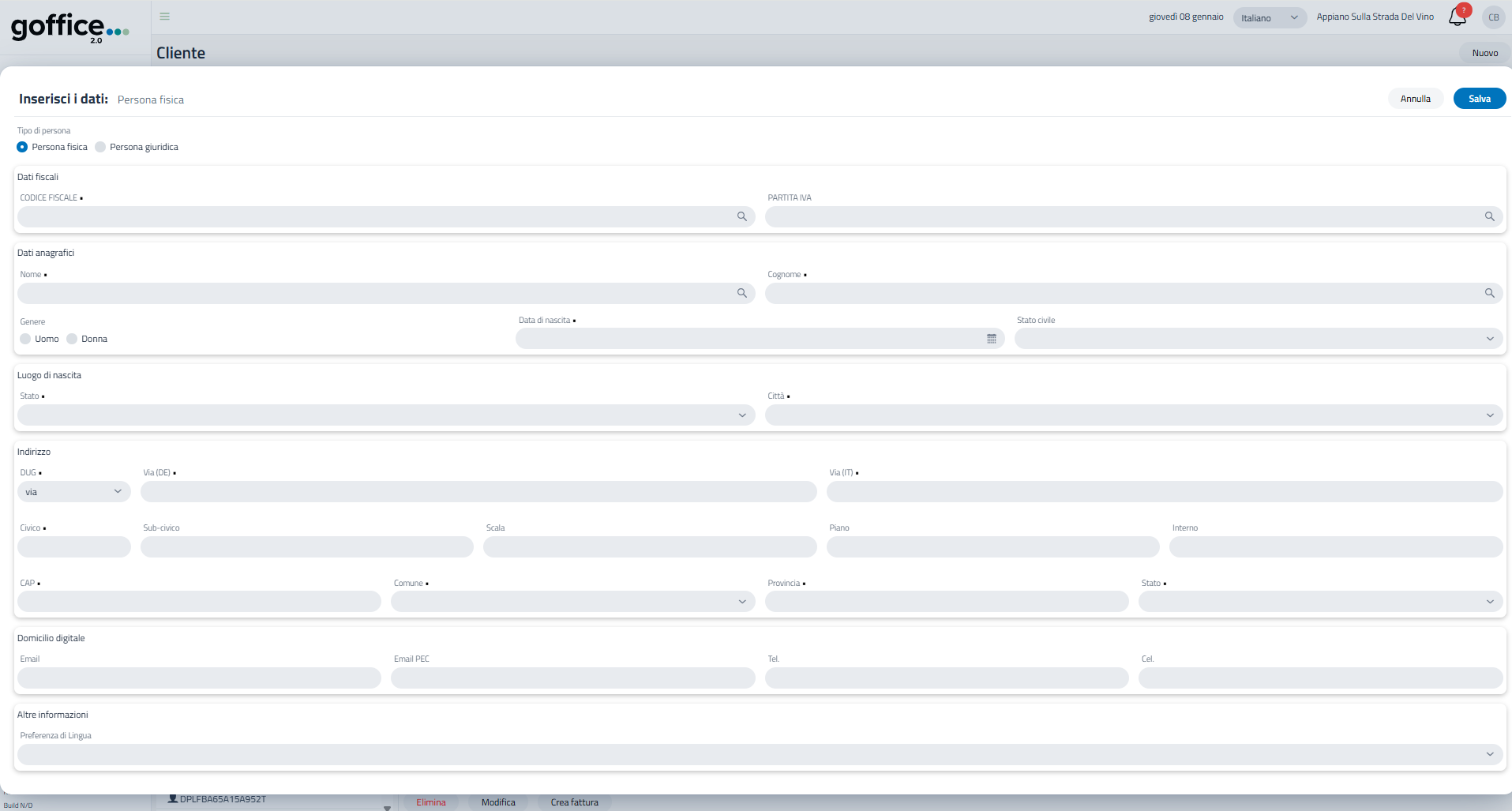
Screenshot of the Goffice 2.0 client management module showing a form for creating and maintaining citizen records, including personal information, address details, contact information, and administrative data.
From legacy monolith to modern public platform
Today, Goffice 2.0 runs 16 production modules across 116 public administrations in a cloud-based environment with near-24/7 availability.
Michele Tais estimates that delivering the same scope using the previous Delphi stack would have taken up to 30% longer, which made a real difference for a small public-sector team operating under fixed budgets and EU funding timelines.
The platform has also supported seven successful NextGen EU funding applications, helping municipalities secure substantial public investment for digital modernization initiatives.
For the roughly 5,000 civil servants using the platform daily, the improvements are visible in everyday work. End-user feedback consistently describes the new system as:
- Cleaner
- More responsive
- Easier to navigate
- More modern than the previous platform
Goffice 2.0 has also been registered in Italy’s national software reuse catalogue (AGID), allowing other public administrations across the country to adopt the platform directly.
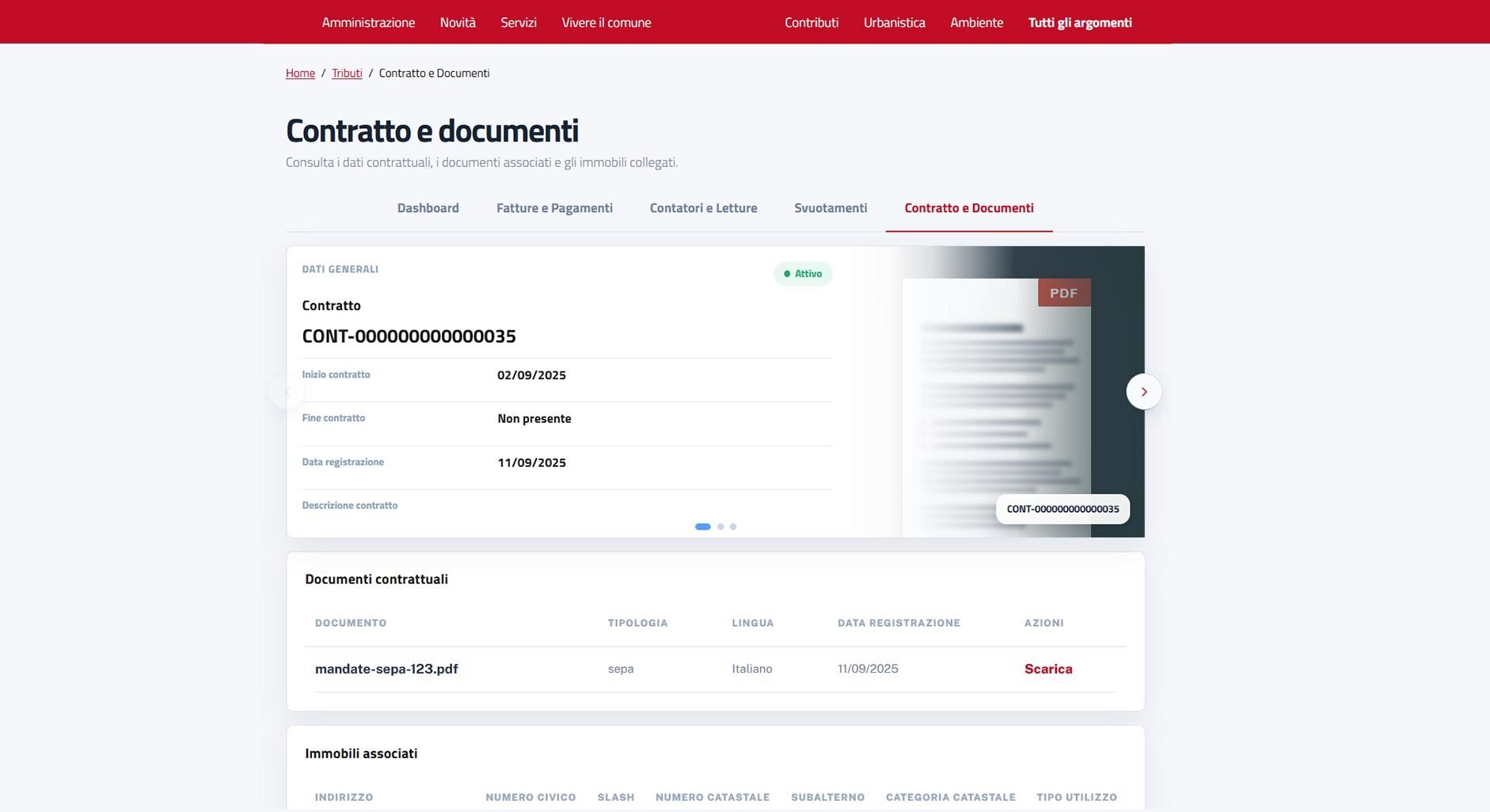
The Goffice 2.0 citizen portal gives residents secure access to contracts, documents, and property information, reducing administrative overhead for municipalities.
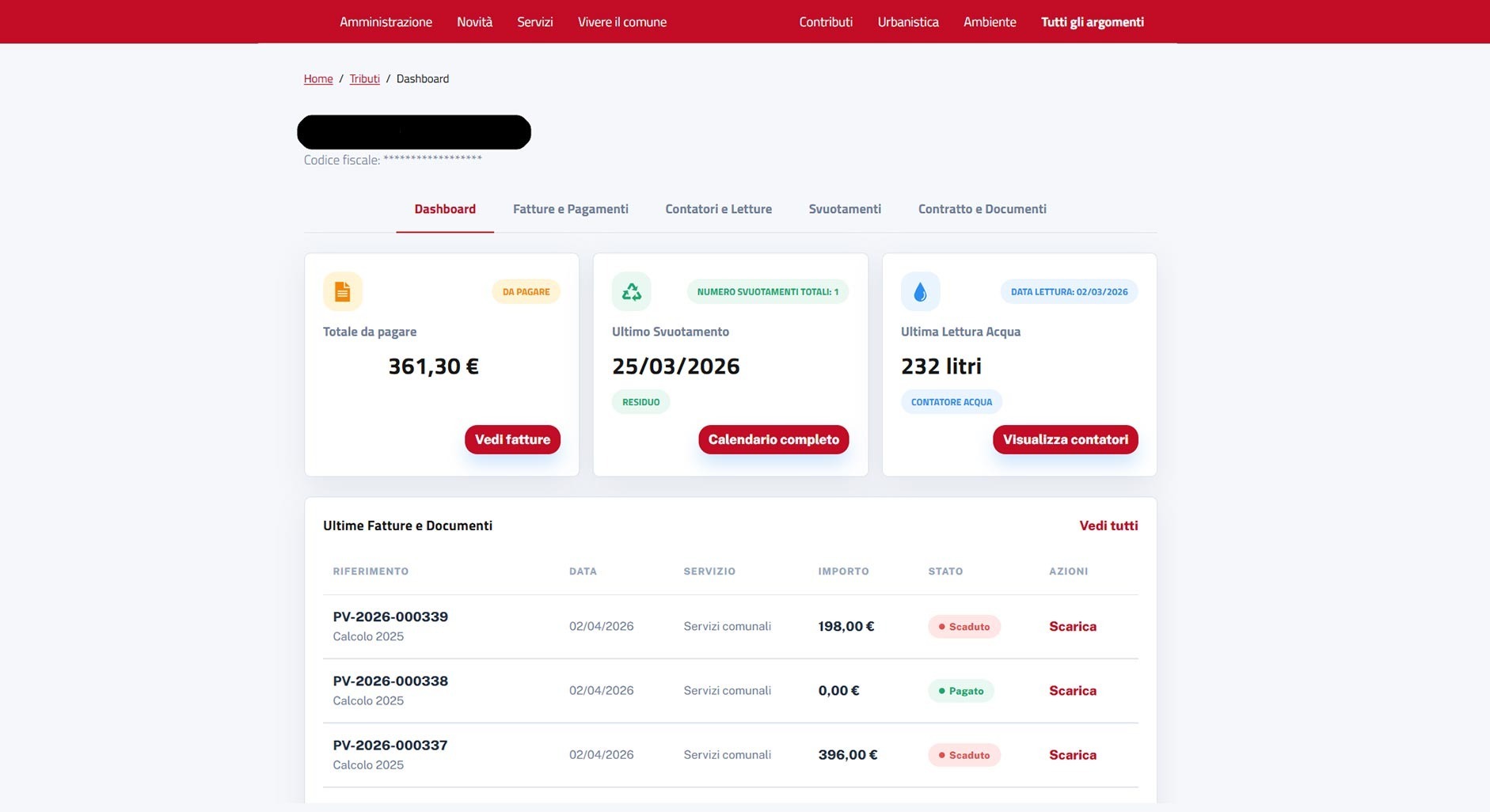
The Goffice 2.0 citizen portal enables residents to access municipal services and manage payments online.
Building public-sector software designed for reuse
The next major migration projects include building management and business licensing systems, planned over the next three to four years. The team continues to build new modules with Vaadin as part of its long-term platform strategy.
In 2027, Südtiroler Gemeindenverband Genossenschaft plans to publish the full Goffice 2.0 architecture and source code publicly, allowing municipalities across Italy to reuse and contribute to the platform.
Planning a public-sector modernization project?
Learn how Vaadin helps teams replace legacy systems with modern full-stack Java applications.